When tribes invest in their women entrepreneurs.
Their businesses grow from Indigenous philosophies and everyone the business touches learns what that means.
Sisters, not Mentors
Indigenous entrepreneurs have nearly 300 programming, materials, and funding resources available to them, and only 15% of those serve Indigenous women.* That's where Entrepreneur Sisters — E-Sisters — comes in, built for what the dominant model leaves out.Dominant entrepreneurship programs function as a hierarchy, sorting people into mentors and mentees by experience. At E-Sisters we come together as sisters in a circle, learning from each other whether just starting out or running a successful business.
What the dominant model misses
The pattern, not the knowledge: Programs teach business skills, treating the distance between an idea and a million dollar business as a knowledge gap. These women are smart and capable — many run successful businesses right now. What holds them back sits underneath: patterns they inherited that have kept them stuck.
The woman, not just the business: Programs fund the business — education, materials, sometimes the founder's salary. Never the invisible labor women carry — raising children, cooking, cleaning, and more — every hour drawn from the same reserve the business needs.
The Program
E-Sisters funds a cohort of twelve women for two years. Our funding goes to the women — a salary for their time and a stipend for the labor they carry at home — so they build their businesses full-time. They raise their own capital and reach a million dollars a year by the end through our programming:
1) Deep work on the pattern: Sisters trace the lineage of the patterns that keep them stuck — in their businesses, their families, and the decisions they make. Through the program each woman breaks free by choosing her own way.
2) Indigenous philosophies: Dominant entrepreneurship ideologies run counter to Indigenous ways, so we fill the circle with many instead of one. Sisters bring the teachings they carry, and what speaks to her — from her nation or another's — becomes hers to shape.
3) Revenue and scaling: Sisters find how to grow their businesses past a million dollars — in what they sell, to whom, and how. Then they weigh what the business takes against what it gives, maintaining balance with their communities and the sisters who come after them.
4) Operations and compliance: Sisters build the structure underneath the business — entity, obligations, compliance. Their philosophies shape who they build with and what they do with what they earn.
Founders Circle
Each founding tribe seats a woman from its own nation among the twelve. Only six tribes hold founding positions and together they carry the $8 million that runs the first cohort for two years. Founding tribes receive:Permanent standing: We name the six founding tribes for as long as E-Sisters runs — on the site, in every cohort's materials, in how the program introduces itself.A hand in the work: Founding tribes shape the program during the build, before the first cohort begins, and hear from us each quarter on the women's progression.And the tribe's investment comes back twice: Women who finish the program give a share of their revenue to the fund, carrying the women who come after them. And their businesses stay where they built them, employing people from their nations in work worth staying for.
| Source | Cohort 1 | Cohort 2 | Cohort 3 | Cohort 4 |
|---|---|---|---|---|
| Women funded | 12 | 12 | 12 | 12 |
| Alumnae returning | — | 12 | 24 | 36 |
| Returns to the fund | — | $1.2M | $2.4M | $3.6M |
| What tribes carry | $8M | $4.85M | $2.45M | $0 |
Six positions remain. If your nation wants one, tell us about your community and who we should talk to.
About
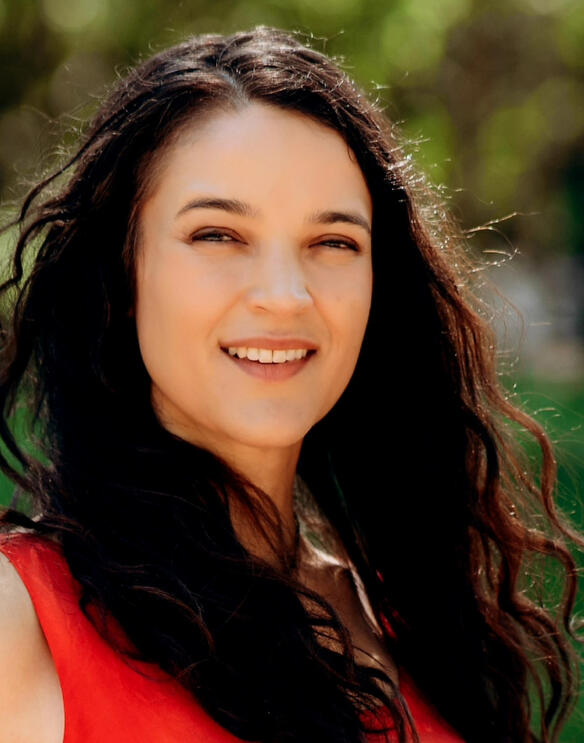
Dr. Eli Typhina — FounderBehavioral scientist, entrepreneur, and founder of E-Sisters, inspired by the Indigenous women entrepreneurs she mentored. Eli grew up between the Flandreau Santee Sioux community and the Pipestone quarries, and studied under Lakota teacher David Little Elk. She facilitates the circle and shapes how program pieces come together.
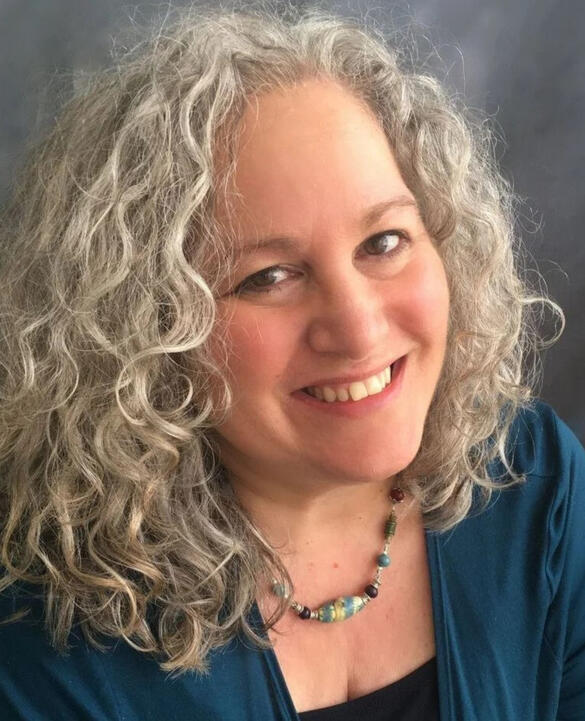
Kris Krueger — Deep work on the patternKris helps women see the patterns underneath the decisions that keep them stuck. She works with what they bring rather than a curriculum, holding a container where each sister finds her own solution.

Position open — Revenue and scalingA woman who has grown a business past a million dollars. She works with each sister on what she sells, to whom, and how. Ideally, with connections across tribal communities.
[application forth coming]

Position open — Operations and complianceA woman who knows entity structures, obligations, and compliance, including how they work on tribal land. She helps each sister build what sits underneath the business. Ideally, with connections across tribal communities.
[application forth coming]